During the second quarter of 2026, 43 cases of violations of the rights of journalists and media were recorded. Of these, 1 was a documented case of physical violence, 31 were various types of pressure, and 11 were violations of the right to receive and disseminate information.
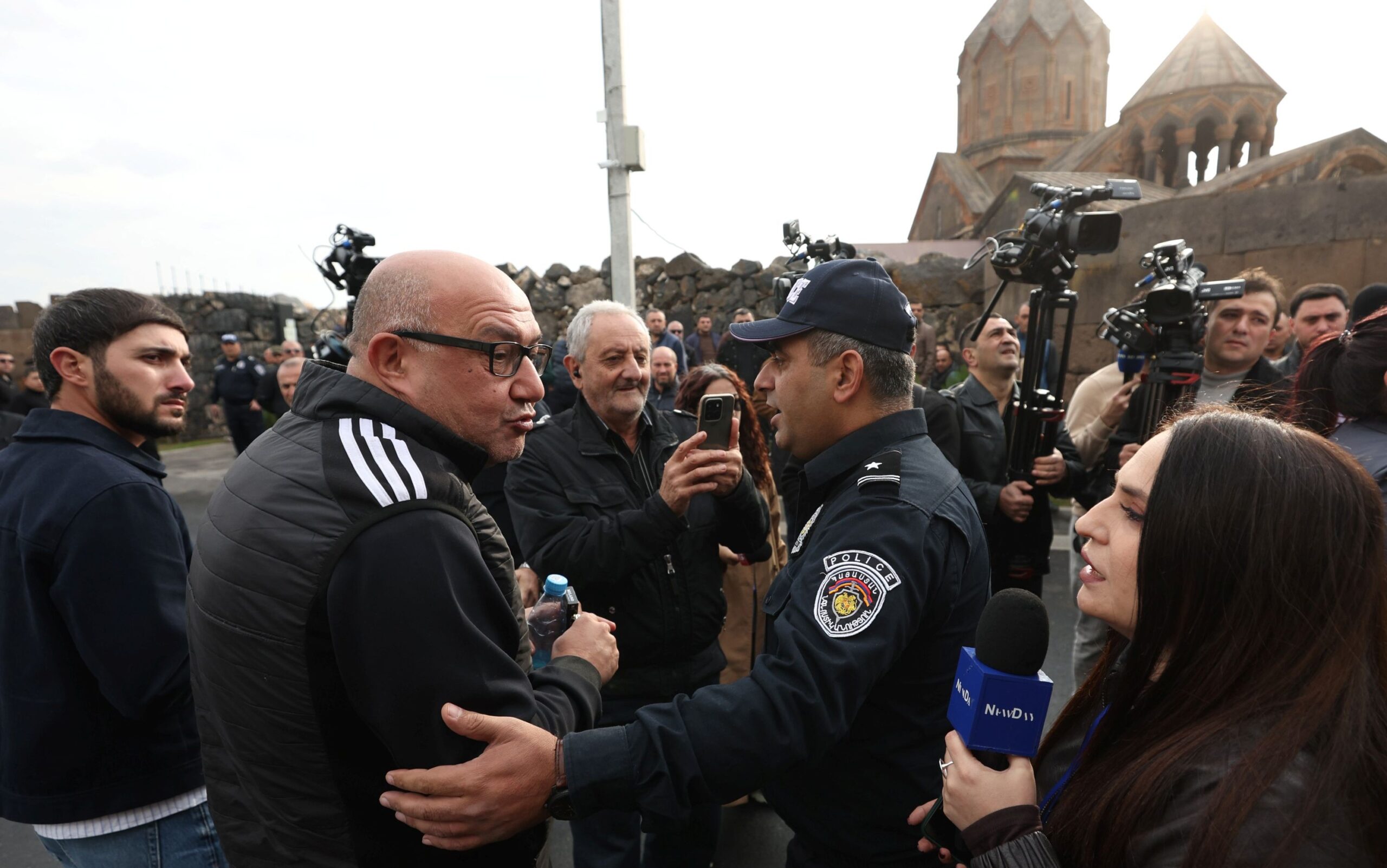
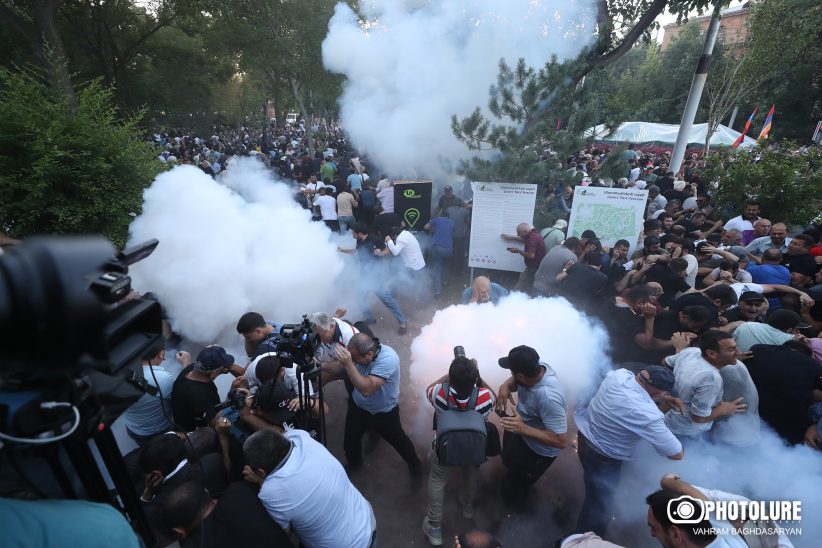
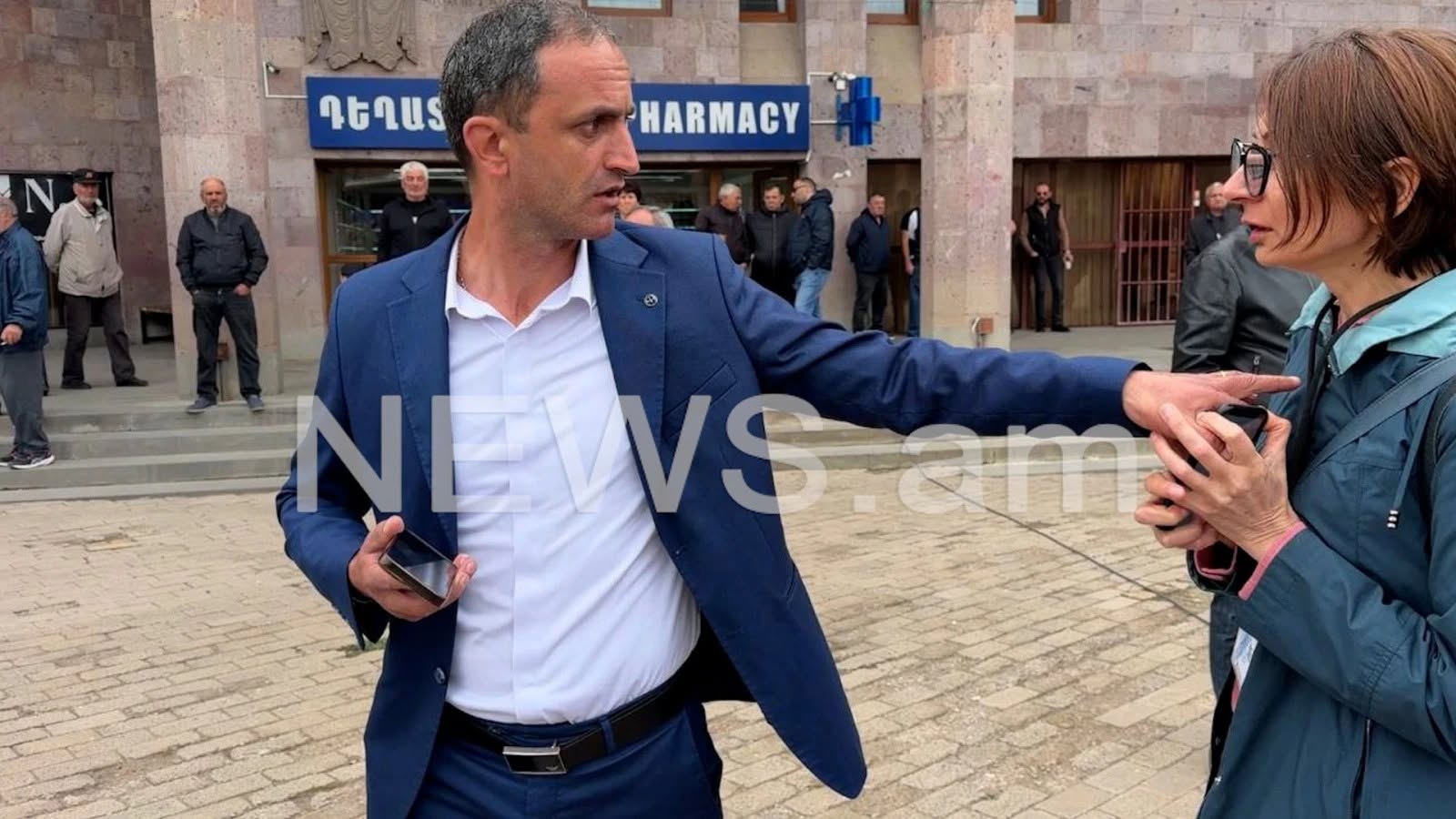
Nearly 1/4 of the above-mentioned 43 cases occurred during the campaign period preceding the June 7 parliamentary elections and on the voting day itself. In particular, between May 8 and June 7, the Committee to Protect Freedom of Expression recorded 10 cases of obstruction of the legitimate professional activities of journalists and other media representatives, 1 of which involved physical violence, 6 involved insults or disrespectful treatment, and 3 involved cyberattacks. Of the 12 new lawsuits against journalists and media accepted for proceedings in the second quarter, 5 were filed during the same pre-election period, and, notably, were related to campaign issues. It is noteworthy that of these 5 lawsuits, 1 was filed by a representative of the authorities, 1 by a businessperson, and 3 by opposition politicians.
Out of the total 12 new lawsuits initiated during the quarter, 3 were filed by opposition politicians, 4 by private citizens, 1 by a representative of the business sector, 1 by a media outlet, and 3 by public officials (National Assembly Speaker Alen Simonyan, Minister of Defense Suren Papikyan, and Minister of Justice Srbuhi Galyan).
During the second quarter, the examination also continued in 10 lawsuits filed by media and journalists against officials and state bodies in previous periods. These cases involved Yerevan Mayor Tigran Avinyan, National Assembly Speaker Alen Simonyan, Foreign Minister Ararat Mirzoyan, Prime Minister’s wife Anna Hakobyan, deputies Artur Hovhannisyan, Gegham Nazaryan, the National Assembly Staff (2 cases), and the Council of Public Broadcaster (2 cases) as defendants.
One of the peculiarities of the quarter under review was the extremely tense situation in the media field driven by the elections. Throughout this period, Armenia faced external (mainly Russian) and internal information challenges, with hybrid influence campaigns posing the most serious threat. In essence, the information intervention carried out from outside the country was supported by a substantial segment of domestic media field, which clearly served the interests and goals of the Kremlin by actively spreading disinformation, fake news, and manipulative narratives both in their own content and when presenting the propaganda of pro-Russian political forces. In this pre-election struggle, AI-generated fake identities, misleading sociological data, and “leaks” from the special services were employed, flooding the Armenian media space.
The extreme polarization of the media field, coupled with the intertwining of the vast majority of media with various political forces and the servicing of their interests, creates a favorable environment for external informational influence. This became particularly evident during the elections, with the issue remaining a serious challenge for the future as well. This is a situation in which the public’s right to receive accurate information is violated.
The polarization of Armenian media was also highlighted by international observers of the parliamentary elections, particularly the OSCE/ODIHR mission, which noted in its report that the media mainly disseminated divisive rhetoric.
In the CPFE’s view, the harmful effects of massive flows of disinformation were to some extent neutralized through the increasing number of revelations by fact-checking platforms, journalistic investigations conducted at the domestic and international levels, and the activities of a number of quality media.
The polarization of media is primarily conditioned by their financial dependence on various political forces and oligarchic clans. In this regard, the Armenian Government’s initiative to direct a portion of social credits to the media is noteworthy. Under the proposed reform, citizens will be able to provide direct financial support to media outlets, political parties and NGOs when filing their declarations. Prime Minister Nikol Pashinyan announced the initiative on June 25, stating that the system would be launched on January 1, 2027, provided that no technical issues emerged.