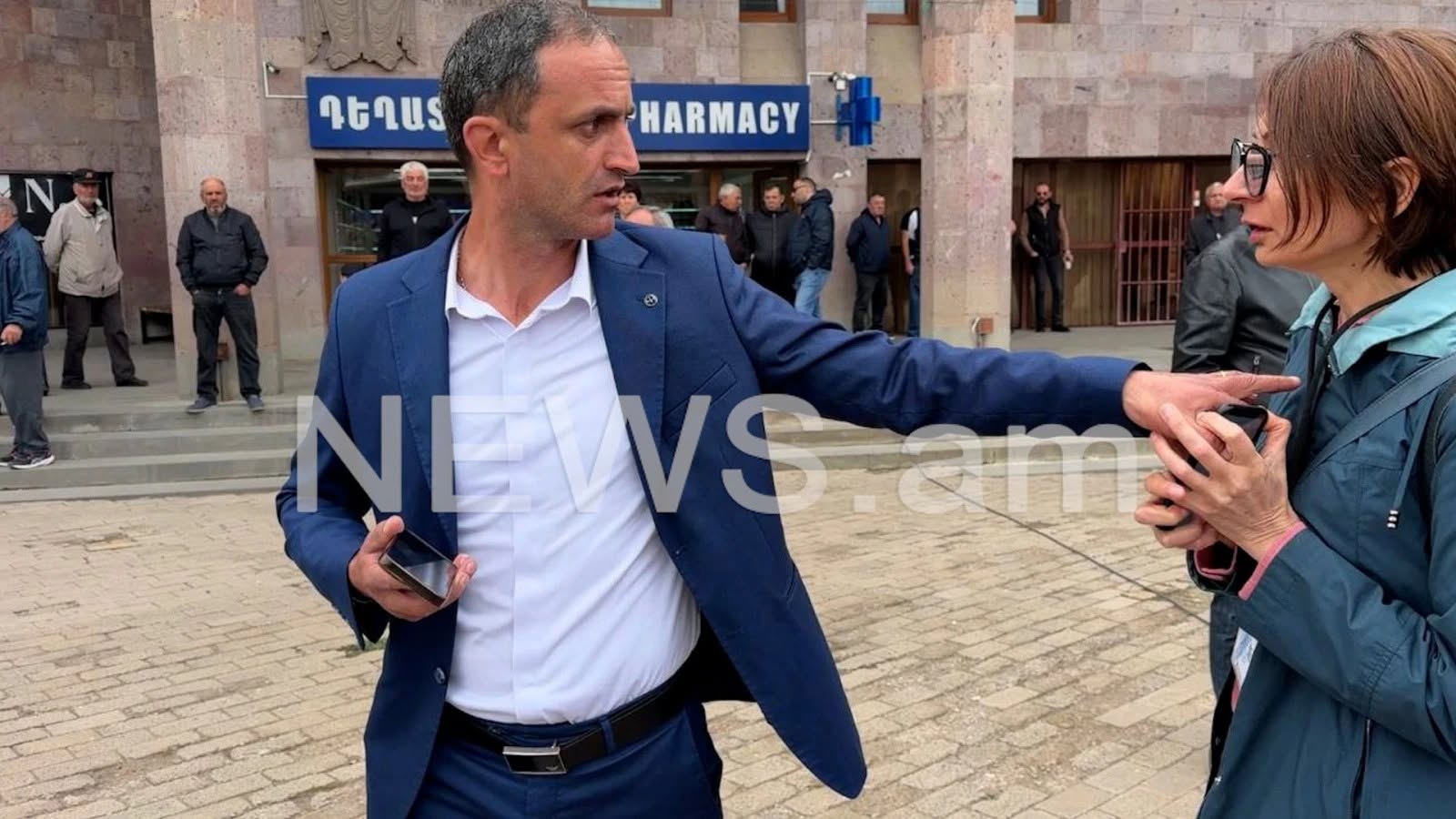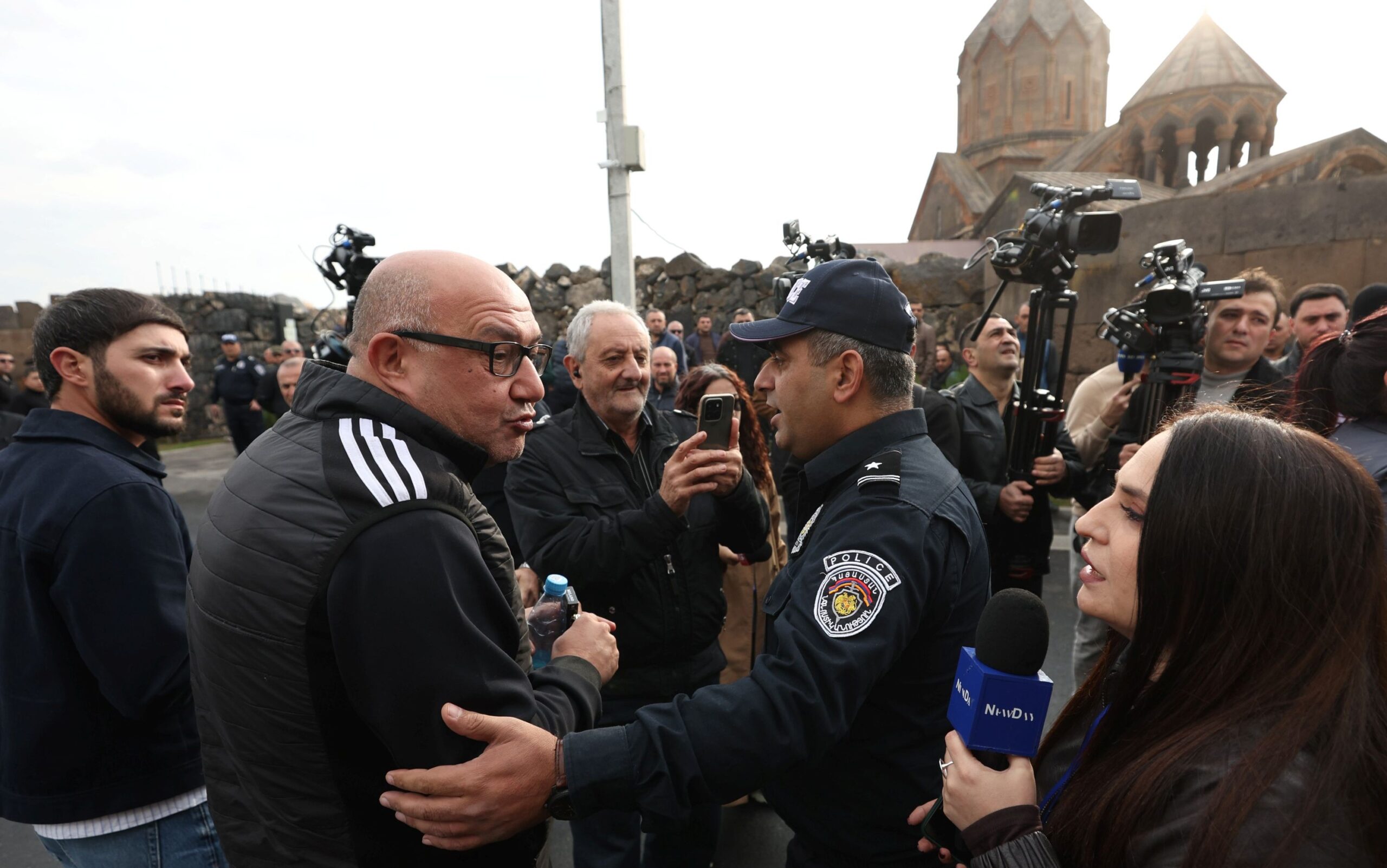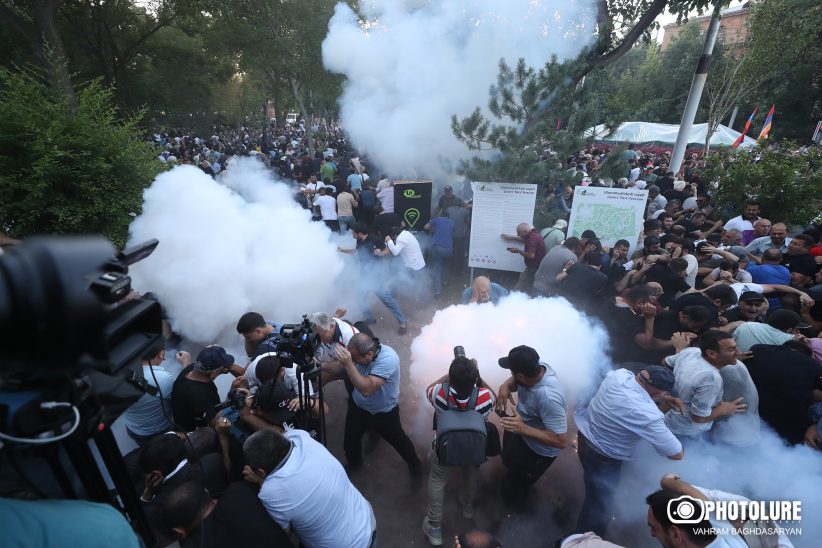
In the course of its monitoring conducted during January-March 2026, the Committee to Protect Freedom of Expression recorded 30 cases of violations of the rights of media representatives. Of these, 1 was a documented case of physical violence, 22 were various types of pressure, and 7 were violations of the right to receive and disseminate information.
During the monitoring period, the overwhelming majority of apparent insults and threats directed at media and journalists from political circles, along with obstructions of legitimate journalistic activities, were committed by representatives of the authorities, accounting for 7 out of the 8 recorded cases.
Overall, the intensity of the flow of lawsuits against media and journalists was maintained, with 14 new lawsuits filed during January-March, all on the grounds of defamation and insult. Of these lawsuits, 6 were filed by officials, 2 by representatives of the business sector, 2 by journalists, 1 by an opposition figure, and 3 by private citizens (2 of whom were affiliated with an opposition figure).
The 1 recorded case of physical violence during the quarter occurred in the National Assembly, when security service officers used force to remove a journalist from the parliament building on highly controversial grounds.
Criminal cases initiated in 9 of the registered cases of physical violence since 2022 have not been resolved. The RA Prosecutor’s Office, in response to regular inquiries from the CPFE, states that the preliminary investigation in all of these cases is ongoing.
During the monitored months, violations of the right to receive and disseminate information decreased compared to the same period of the previous year, with 7 such cases recorded. The main issue remains the misuse by state bodies of the 30-day response period under the Law “On Freedom of Information,” instead of the 5-day timeframe established by the same law. This practice hinders the prompt and comprehensive coverage of matters of public interest. Cases continue to be documented where replies from public institutions are vague and do not correspond to the essence of inquiries submitted. 2 such cases were recorded, 1 of which was also accompanied by a violation of the legally prescribed deadline. In another 3 cases, the provision of the requested information was denied on unfounded grounds, while 2 inquiries received no response at all.
According to a report released by Freedom House on March 19, 2026, Armenia was classified as a partly free country for the third year in a row, receiving a score of 54 out of 100. In terms of Internet freedom, Armenia was included among free countries, with a score of 72 out of 100.
Nevertheless, the media landscape continues to remain highly polarized, with serious challenges including disinformation, the broad dissemination of fake news, manipulative publications, the use of offensive language in the public domain, and an acute shortage of civilized debate. The upcoming parliamentary elections in June are further heating up the situation. The majority of conflicts recorded during the monitoring period were politically motivated. In a number of cases, journalists neglected the norms of professional ethics and gave in to the interests of political sponsors, while officials clearly violated the principles of integrity incumbent upon public servants.